

Moses Maimonides, in The Guide for the Perplexed, attempts to reconcile philosophy with Judaism. His work addresses those who, having been exposed to philosophy, now question the foundations of Jewish law. These foundations include the belief that God created the world in time, that God cares for human beings, that God performs miracles, that God gave a law, and that God rewards and punishes. Without these core beliefs, Judaism would lose its authority. Maimonides is not merely trying to defend these beliefs through faith but to justify them rationally, or at least politically.
The ‘truth’ of Judaism really depends on the answer to a fundamental question: was the world created in time, or is it eternal? If the world was created in time, then God, as its creator, could have given a law, performed miracles, and exercised providence. If the world is eternal, then everything exists by necessity, and the idea of divine law and intervention collapses. Maimonides affirms that the world was created in time. However, he does not do so because the Torah says so. For Maimonides, scripture often makes false statements when taken literally, such as claiming that ‘God has a body, emotions, or human-like desires’. Just as these descriptions must be interpreted figuratively, so too could the claim that the world was created in time be understood metaphorically.
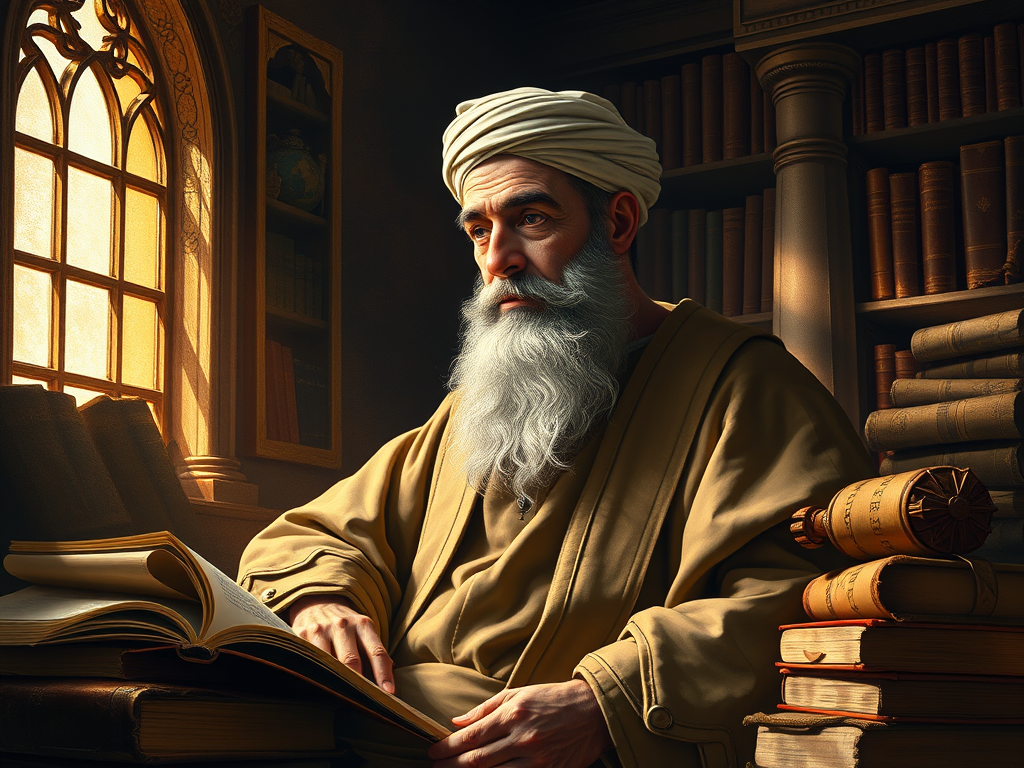
Yet, Maimonides does not interpret this claim figuratively. He acknowledges that the eternity of the world is not demonstrated, meaning that neither reason nor science has conclusively proven it. If it were demonstrated, Maimonides implies that the Torah’s account should indeed be reinterpreted. But since it remains an open question, the belief in a created world must be maintained—because without it, the law loses its authority. If the law does not come from God, people have no obligation to obey it. The authority of the law depends on the belief in its divine origin, which in turn depends on the belief that God created the world.
Maimonides’ affirmation of creation is not based on faith, nor is it based on reason—it is based on politics. He suggests that good political orders require a religious foundation. People obey laws not because they are rational but because they believe they are sacred. The law must appear to reflect God’s will; otherwise, it is ultimately permissible to break it. This is why religious fear is necessary—if God is all-powerful, all-seeing, and perfectly just, then violating the law has eternal consequences. But if laws are merely human constructs, they can be changed, ignored, or overturned. So it turns out that people must fear the law in the same way that they fear God.
There seems to be a very deep contradiction. The philosophy and political obedience are fundamentally opposed. A philosopher, who understands the world through reason, sees natural necessity—the universe operates through unchanging laws, without miracles, divine interventions, or a willful creator. This view contradicts the foundation of the law, which depends on divine authority and human accountability before God.
After reading about Maimonides’s discussion and beliefs, he lefts me troubled with many questions unanswered. Should we still believe in the divine origin of the law? Should we believe that God created the world in time? Or should we merely believe that these are necessary beliefs for the sake of order and obedience? He does not answer the questions he raises but leaves us to ponder what we should respond to.




 Justina's Writing Corner
Leave a comment